
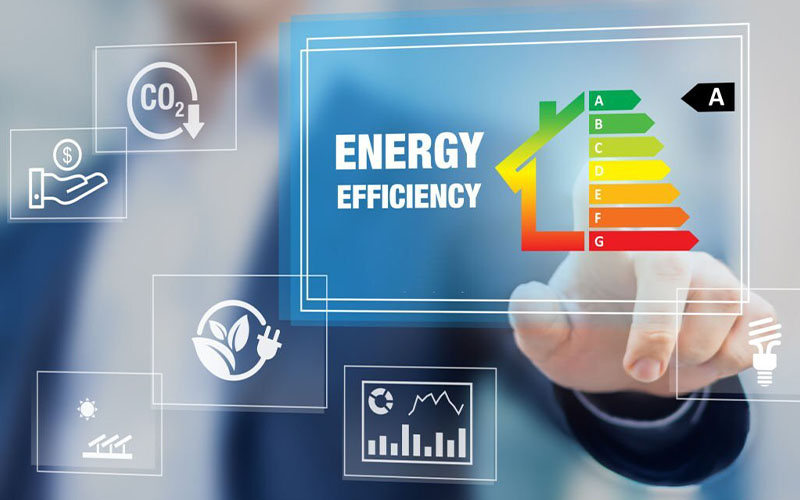
As a tenant, you can reduce your utility bills and carbon emissions by conserving electricity. Since a rental apartment is not yours, purchase only those items you can remove when relocating. Furthermore, review your lease agreement or contract to see what you can or cannot do to the rental apartment.
This guide will teach you how to make your home energy efficient. In this article, you will learn about 11 steps that will help you consume less energy in your rental home. If you find these steps complicated, then you can get a short-term rental property management company to do the job for you. Without further ado, let us dive into this.
- Choose LED bulbs for lighting
Did you know that LED light bulbs consume less energy than incandescent and fluorescent lights? Substituting your incandescent bulbs for LED lights can lower your energy consumption rate by eighty-five percent. Also, replacing your fluorescent lights with LED bulbs can reduce your energy consumption by forty percent. LED light bulbs require seventy-five to eighty percent less energy than conventional lights to emit light.
The estimated energy savings per annum for average households using LED lighting is $225. LED light bulbs are advantageous because they can lower energy bills and last longer. They can outlast typical incandescent bulbs twenty times and cost less money these days. Opt for premium LED light bulbs with an ENERGY STAR rating to increase energy efficiency. Some of these bulbs come with extra features for saving more electricity.
For instance, they have timers that switch off the lights when you are outdoors. They also have dimmers that let you decrease the bulb’s light intensity. Lastly, ensure your led bulbs match with the lighting fixtures in your rented apartment.
- Turn down your thermostat when you do not need it
Another of our top energy-saving tips for apartments is to learn how to use your thermostat cost-effectively. You can reduce your annual heating and cooling costs by ten percent if you lower your thermostat by seven to ten degrees for eight hours daily. The tricky part is choosing the best eight-hour period from the 24 hours that make up a day.
We suggest turning down your thermostat from when you go to work to when you leave. Consider this option only if you have no pets or family members who need to stay warm during the day. Another option is to turn the thermostat down from when you go to sleep to when you wake up in the morning.
Consider the season you are in also. During the day in winter, set your thermostat between sixty-five to seventy degrees Fahrenheit. Reduce the temperature to sixty degrees Fahrenheit during winter nights. In summer, maintain the thermostat setting at seventy degrees Fahrenheit.
The point we are emphasizing here is that you only need to cool or heat your rental house when it is necessary. Get a programmable thermostat if your rental does not have it yet and you want to live there longer.
- Insulate your windows and doors
One way an apartment loses heat during winter is via windows. If you live in an old rental building, you are dealing with this problem. When the cold air enters the house, the heating system must work harder to keep you warm. Thus, you can attain apartment energy efficiency by sealing your windows with affordable draft stoppers.
Place these under the doors and on the windowsill to keep the cold air outside. You have nothing to lose because you can carry your stoppers to another rental house or personal property. Another simple way to insulate and cool your home is via thick curtains. Heavy fabric curtains can keep your home cool or warm, depending on the season.
For instance, to increase energy efficiency during summer, draw the curtains to make your home darker and cooler. On winter nights, close the curtains to trap heat indoors. Another technique involves your ceiling fan’s spinning direction. In winter, make it spin clockwise after altering it to a lower setting.
The fan will force the warm air to move downwards where you need it for warmth. During the summer, make the fan spin counterclockwise to cool your house. This energy-saving tip may work if your rental ceiling fan has a switch for controlling the blades’ direction.
- Know how to make your home energy efficient by changing your laundry habits
A washer and dryer laundry machine are a perfect setup to have in your rental apartment. However, you can use our best energy saving tips for apartments if you have a washer and dryer unit. To conserve energy, run your laundry on cold water rather than hot water. According to research, 75% of the energy necessary for washing one load of clothes goes to heating.
Hence, using cold water to wash your clothes can save energy and help you do a thorough cleaning job. When the weather is hot or windy, wash your clothes by hand and hang them on the washing line to avoid using a dryer. This tip can only work if your rental property has readily installed washing lines outside.
- Unplug your appliances when not in use
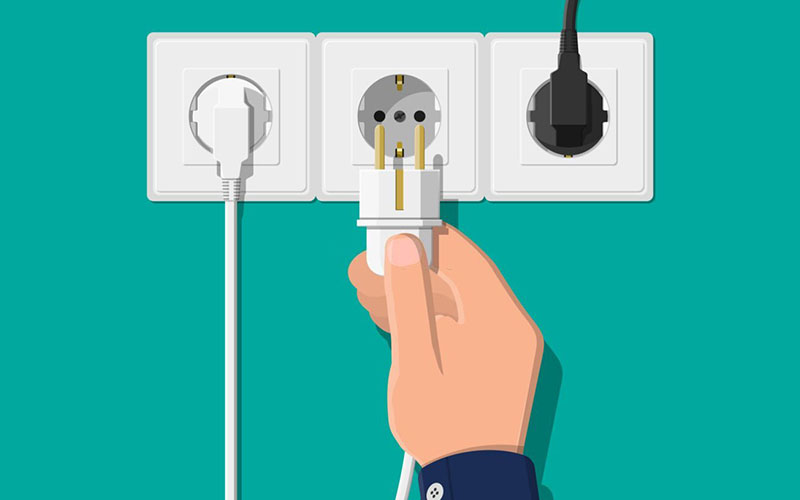
Did you know that electrical appliances can consume energy when plugged in but not in use? This is called phantom energy, and you can preserve it. Check your power outlets or extensions for idle appliances. These can be device chargers or cords for your television or radio. If you have other family members letting their devices use phantom energy, you can helplessly watch your bills rise.
Thus, removing these appliances can reduce your monthly energy bill by twenty percent. With a power strip, you can conserve phantom energy by switching off all the plugged-in devices. Moreover, you can switch your devices on or off remotely via a smart plug that connects to a phone app.
- Load your dishwasher first
If you are lucky to have a modern dishwasher in your rented house, learn to use it cost-effectively. Instead of rinsing your utensils before putting them in the dishwasher, load them directly. Modern dishwashers have advanced technology features that enable them to clean utensils well. Do not switch on your dishwasher until you add all the dirty utensils to use less water and energy. If using a traditional dishwasher, rinse the items before placing them in the machine.
- Save water in the shower
How much time do you spend in the shower? The longer you stay, the hotter water you require. You can save electricity by not overstaying in the shower. Additionally, you can install a water-saving shower head and keep the current one safely. Pick a low flow show head as it will release only the water you need to clean your body. Focus on how many gallons per minute a showerhead uses. If it is two gallons, feel free to purchase it.
- Make your refrigerator energy-efficient
It is good to have a luxury fridge as a renter. However, if you are looking into how to make your home energy efficient, you must mind the type of fridge you have. Does it have an ice machine? If yes, turn it off after the bucket gets full. When the ice buck gets empty again, switch on the ice machine. Keep the area where your fridge stays clean. When maintaining your fridge, clean the coils to help it work efficiently.
- Make a contraption for controlling the water level in your toilet tank
The toilet tank in your rental apartment uses more water than necessary to flush your waste. Hence, make a device that can limit the amount of water entering the toilet tank after every flush. Many green living proponents suggest a plastic water bottle. Some advise us to place small stones or marbles in the bottle before placing it in the toilet tank. Others suggest using the plastic water bottle alone to control the water level in the tank.
- Carpet your wooden floors in winter
An apartment energy efficiency goal for winter is finding ways to trap warm air naturally. Instead of relying only on electricity to run your heating systems, insulate your floors with carpets and rugs. You can use this energy conservation tip for wooden floors as they can trap warm air. They can keep you warm in the winter months. Do not purchase expensive rugs unless you have the money. One day you might relocate to a new place.
- Cover your window air conditioning unit. Get an exhaust fan cover
Most rental apartments use window air conditioners for cooling, yet this technique does not conserve much energy. If you have one like this, you can improve its efficiency by covering the window with an awning. The A/C unit will work more powerfully in the shaded area as it will not absorb the sun’s heat and get hot.
Besides, the A/C unit will only run when the air inside the house gets hot. As for the exhaust fan, you can make it more efficient by adding an inexpensive cover. This cover will help reduce cold air and retain warm air in the house.
Conclusion
Now you know how to make your home energy efficient if it is a rental property. The measures we have recommended are inexpensive and easy to implement. Whatever you decide to do to preserve energy in a rental house, avoid overdoing it. Also, keep your landlord’s appliances safe, as you will re-install them when leaving the apartment.
Author Name: Liran Koren
I’m Liran Koren. I’m a real estate pro and co-founder of Luxury Property Care. I believe that through common work we can create a healthy ecosystem, that serves investors, landlords and even tenants altogether.
 Ed Constable works hard to provide the best experience he can for buyers and sellers, simply because his goal is to be reliable, persistent, and passionate in all areas of life.
Leave a Reply